Helping mothers and babies, from conception to birth
At Ferring, we are committed to helping people become parents and to keeping mothers and babies healthy, from conception to birth. Over one third of our research and development investment goes towards finding innovative treatments in reproductive medicine and maternal health. We are also passionate about making a difference to people’s health and quality of life through our work in gastroenterology and urology.



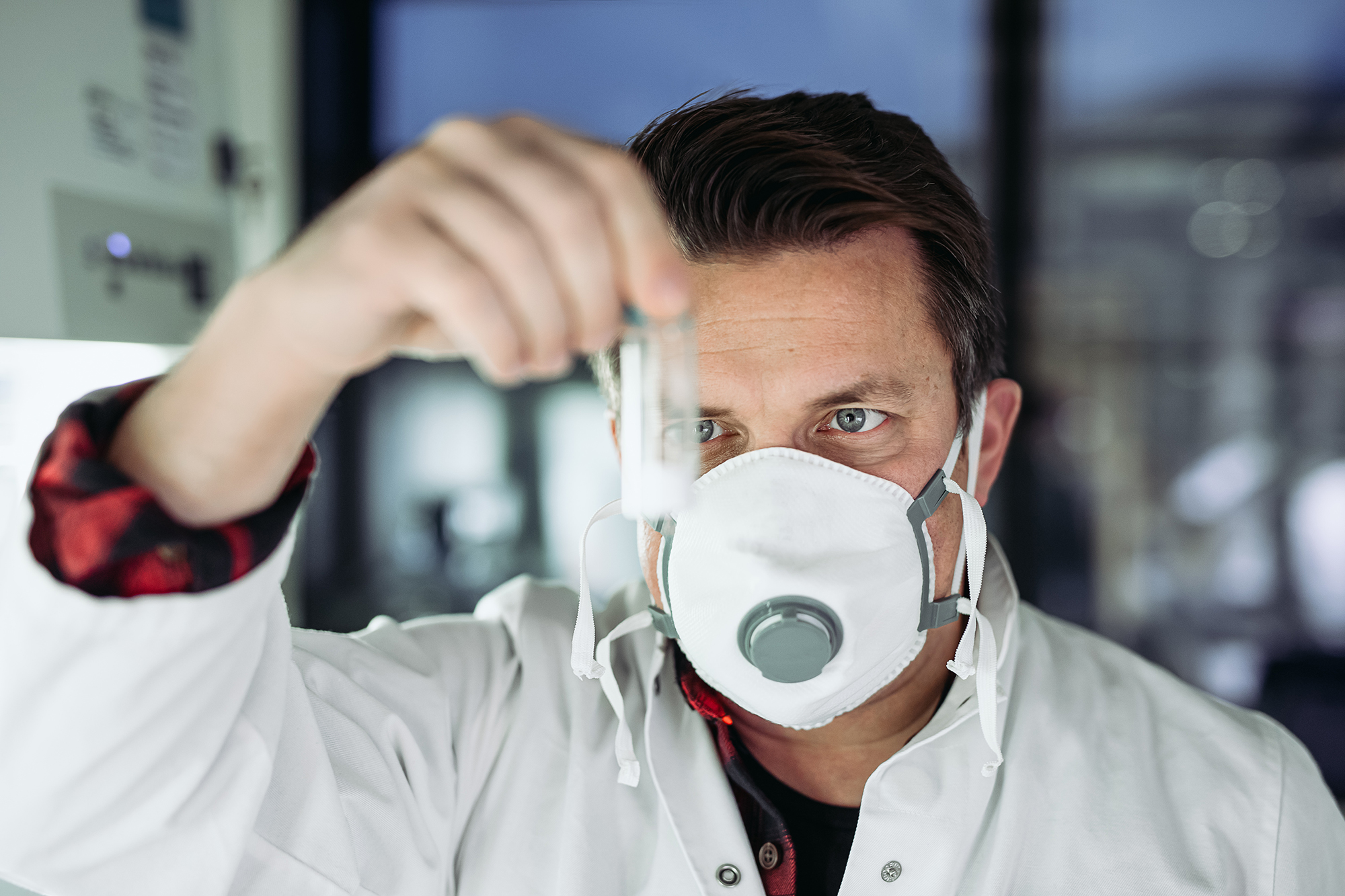
Believing in the power of research
Each of us at Ferring contribute to providing innovative solutions to help people live better lives. We devote significant research and development investment to new therapeutics, life cycle management and next generation healthcare solutions.
Join us
At Ferring Pharmaceuticals we highly value an attractive working environment that motivates our employees and stimulates the creative abilities and initiative of both individuals and teams. With more than 7,000 employees in over 50 countries, we are able to draw upon a large multicultural setting to enrich the work of our staff on all levels.




Helping people live better lives
Ferring Pharmaceuticals is a research-driven, specialty biopharmaceutical group committed to helping people around the world build families and live better lives. Ferring is a leader in reproductive medicine and maternal health, and in specialty areas within gastroenterology and urology. Ferring has been developing treatments for mothers and babies for over 50 years.
News

Ferring Pharmaceuticals and SK pharmteco enter into commercial gene therapy manufacturing deal
-Biopharmaceutical contract manufacturer SK pharmteco commits to production, testing, and release of Ferring’s U.S. approved Adstiladrin® (nadofaragene firadenovec-vncg) The deal assures diversity of supply to meet future long-term plans for expanded availability of the gene therapy…
Launch of two first-in-class medicines in 2023 marks start of exciting phase of growth for Ferring
-Ferring reported annual revenues of €2.2 billion, an increase of +1% at constant exchange rates, supported by robust sales performance in core franchise and legacy products Launches of Rebyota® and Adstiladrin® in…
Ferring announces full availability of ADSTILADRIN® (nadofaragene firadenovec-vncg) in the U.S.
-Patients with high-risk, non-muscle invasive bladder cancer now have greater access to the first and only FDA-approved intravesical gene therapy With full supply of ADSTILADRIN ahead of schedule, Ferring ends the temporary ADSTILADRIN Early Experience Program…
